
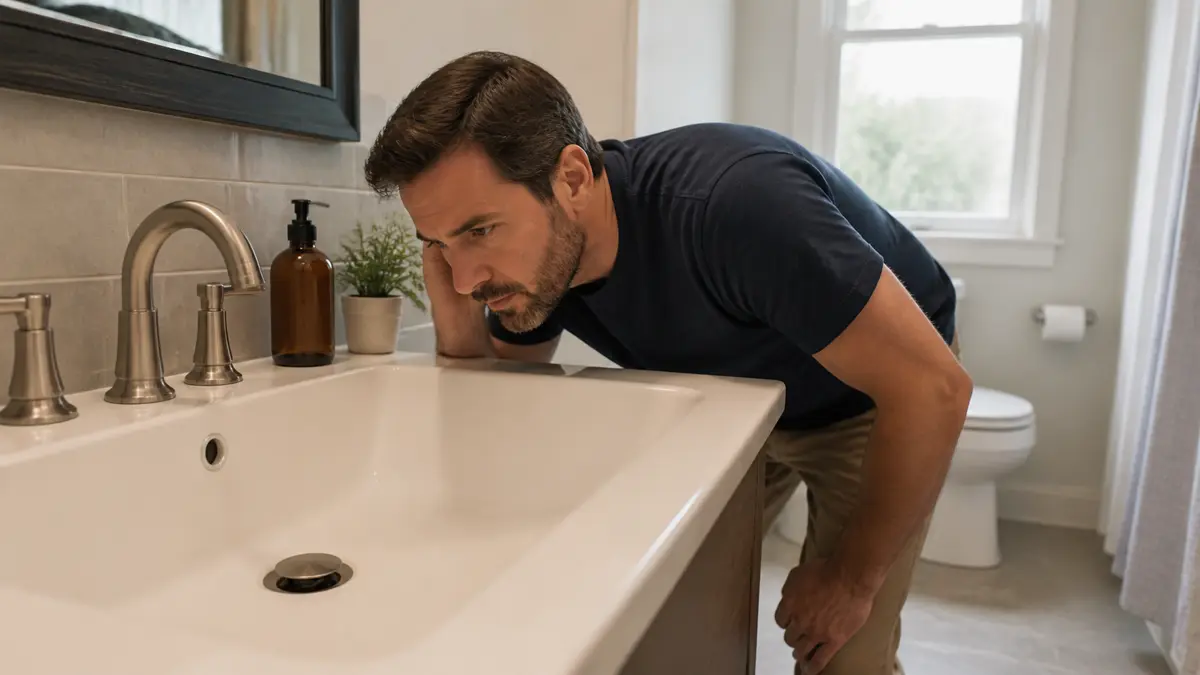
Drains gurgling in Ogden homes often get noticed after a toilet flush, washer cycle, or sink use. One brief sound does not show the cause. A repeated pattern can show whether the issue affects one fixture or a larger part of the drain system. Here is what to note and when to stop using the plumbing.
Quick answer: A gurgling drain means air and wastewater are not moving through the system in their usual pattern. Note which fixture makes the sound, what other fixture was used first, and whether drainage is slow. Multiple affected fixtures, wastewater coming back up, or sewage odor call for prompt professional attention.
Start with the fixture that triggers the sound
The drain making noise is not always the fixture that started the event. A bathroom sink may gurgle after the toilet flushes. A floor drain may bubble when a washing machine empties. Those relationships are more useful than the sound by itself.
Write down three details:
- Which fixture was being used
- Where the gurgling came from
- Whether water drained normally, slowly, or rose in another fixture
Repeat only ordinary household use. Do not keep flushing a toilet or filling a sink to reproduce a symptom that already appeared. Extra water can turn a developing restriction into a backup.
For a single slow or noisy fixture, Mike Bachman Plumbing’s drain cleaning service is the relevant starting point. A technician can determine whether the problem is local or connected to a larger drainage issue.
One gurgling drain versus several
A sound from one sink or tub may involve that fixture’s drain or vent path. When several drains gurgle, or one fixture reacts when another is used, shared pipes matter more.
Warning patterns include:
- A toilet bubbles when a nearby sink drains
- A tub or shower gurgles after a toilet flush
- Water rises in a low drain when another fixture empties
- Several fixtures become slow during the same period
- The noise returns after a temporary improvement
An Indian River County utility handout lists multiple slow drains and gurgling after a toilet flush among signs that may point to a main sewer-line problem. That does not mean every gurgle is a sewer blockage. It does mean a multi-fixture pattern deserves more caution than one isolated sound.
Why chemical drain cleaners are a poor diagnostic test
Pouring a chemical into a drain does not show where the problem is. It may change the symptom for a short time while the cause stays in place. It can also leave harsh material in standing water that a plumber must handle.
Avoid mixing products or following one product with another. Never combine drain chemicals with bleach, cleaners, or other substances. If a product has already been used, tell the plumbing company what it was and when it entered the drain.
Mechanical work can also create trouble when the affected piping is unknown. Do not remove a cleanout cap, open a trap full of wastewater, or run an improvised cable into a line. The safer step is to preserve the pattern and arrange an inspection.
When gurgling becomes an urgent problem
Noise alone may allow time to schedule service. Wastewater that comes back through another fixture is different. A sewer backup can expose people and pets to harmful waste. It can also spread fast across a low floor.
Seattle Public Utilities advises people facing a side-sewer backup to avoid exposure, address electrical hazards, and contact a plumber. If wastewater appears in an Ogden home, stop using fixtures that feed the affected line. Keep children and pets away from the area.
Seek prompt help if you notice:
- Wastewater rising into a tub, shower, sink, or floor drain
- Gurgling at multiple fixtures with worsening drainage
- Sewage odor paired with visible wastewater
- Water near electrical outlets, cords, or appliances
- A toilet that threatens to overflow after another fixture drains
If the situation is actively damaging the property, use Mike Bachman Plumbing’s emergency plumbing information and follow any applicable utility or electrical-safety direction.
What to tell the plumber
Good notes reduce ambiguity. Give the earliest time you noticed the sound, the fixtures involved, and the order in which events happen. Mention whether rain, recent plumbing work, or heavy household water use coincided with the change, but do not assume any of those facts caused it.
A useful description might be: “The downstairs shower gurgles after the upstairs toilet flushes, and the shower has started draining slowly.” That sentence identifies two fixtures, their relationship, and the change over time.
Also tell the company if anyone used a chemical cleaner or tried to cable the drain. This is safety information, not an admission of fault.
Frequently asked questions
Can a drain gurgle even if it is not clogged?
Yes. Drainage and venting conditions can both affect how air and water move. A direct inspection is needed to separate a local restriction from a wider piping or venting issue.
Is one gurgle after a flush an emergency?
Not always. Watch for repetition, slow drainage, odors, or water returning through another fixture. Those added symptoms raise the priority.
Should I keep testing different fixtures?
No. Once the pattern is clear, avoid adding unnecessary water. Repeated testing can worsen a restriction or backup.
What if the sound comes from several rooms?
Stop treating it as a one-drain problem. Multiple rooms may share drainage piping, so a plumber should assess the larger system and determine whether sewer-line service is relevant.
Have repeated drain noises evaluated
Drains gurgling in Ogden are easier to assess when you know which fixture triggers the sound and whether other drains react. Record the sequence, avoid chemicals and repeated tests, and stop using the affected plumbing if wastewater returns.
When the sound repeats or drainage changes, contact Mike Bachman Plumbing to inspect the drain pattern. A direct evaluation can distinguish a fixture-level issue from a condition involving shared drainage or the sewer line.