


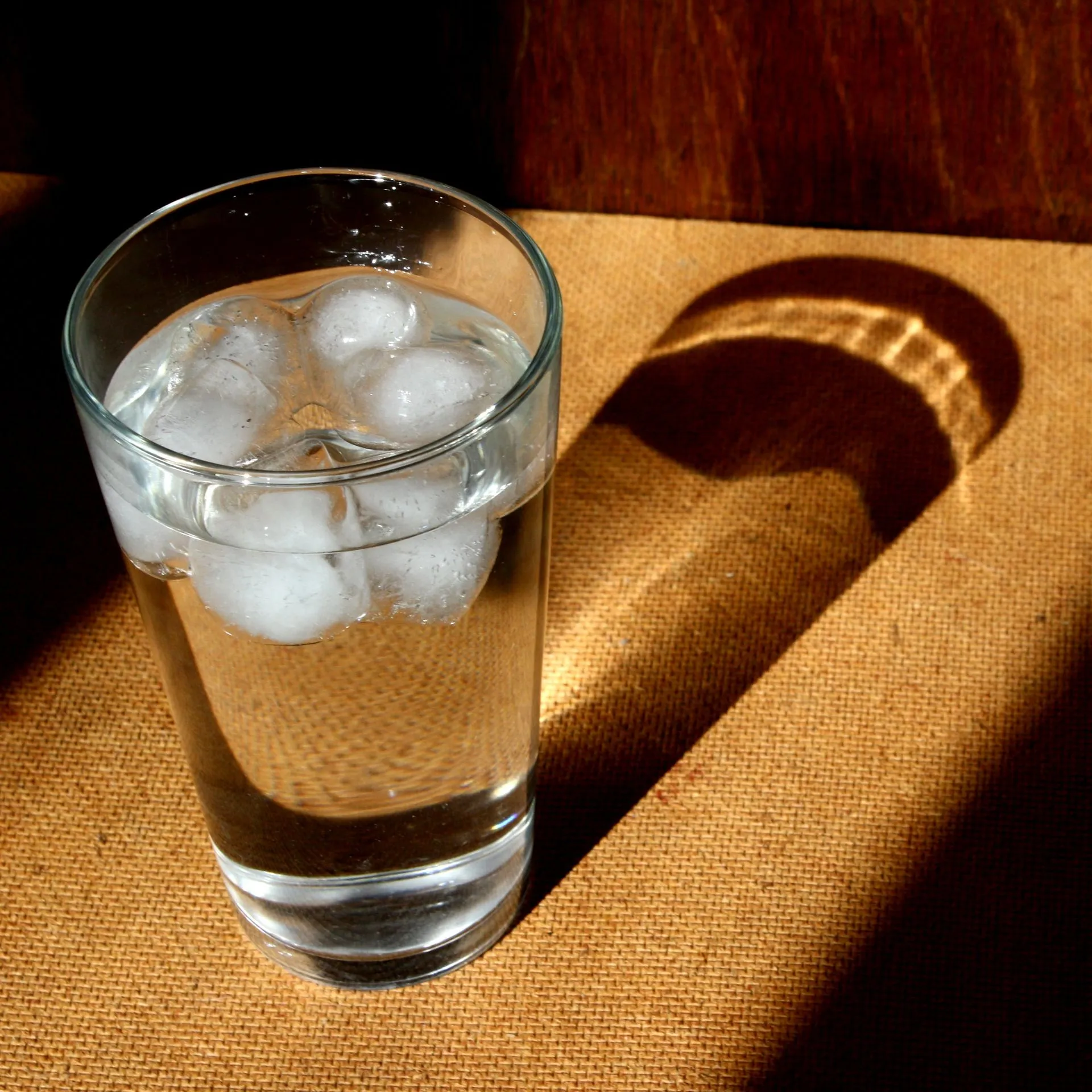
Throughout the world, drinking water quality is becoming a huge issue.
Increased demand for water is affecting not only our main sources of water but also the abundance of contaminants in that water.
Municipality-treated water that meets all federal standards can contain chlorine, pharmaceuticals, lead, arsenic, bacteria, viruses, protozoa, and much more. Even private well water can be affected by numerous contaminants like heavy metals, sediments, and pesticides.
It is clear that whether you are relying on city water or well water, a point-of-use or in-home water filtration system is becoming a necessity.
30 years ago, if you tried to sell a bottle of water people would have looked at you like you were crazy. “Water is free from the faucet!” Fast forward to today and bottled water is the top selling package drink in the industry. Topping $47 Billion in sales in the USA in 2024. Surpassing carbonated soft drinks for many years.
Did you Know?
The water you drink from the tap has been consumed by someone else at least 10 times before it has gotten to you and will be consumed many more times in the future.
The water on Earth today is the same water that has been here for nearly five billion years, meaning you are also drinking the same water dinosaurs used. Water is recycled by nature and by facilities over and over again.
Drinking water today.
Drinking water today contains a range of substances, from necessary disinfectants like chlorine to potentially harmful contaminants such as lead, arsenic, microorganisms, and PFAS (“forever chemicals”), along with disinfection byproducts and natural inorganic compounds like fluoride. These contaminants can come from natural sources, mining, agricultural runoff, industrial processes, and aging water infrastructure.
Common Contaminants
• Microorganisms:
Harmful bacteria and viruses, such as E. coli, Giardia, and Legionella, can be present, often originating from fecal waste or natural sources.
Inorganic Contaminants:
• Arsenic, Fluoride, Lead, and Copper: Naturally occurring or from industrial processes, these can cause health issues ranging from neurological disorders to dental problems.
• Nitrate and Nitrite: Common in groundwater and fertilizers, these can pose risks to infants and are linked to health issues.
Chemical Contaminants:
• Per- and Polyfluoroalkyl Substances (PFAS): These “forever chemicals,” used in many products, can leach into water sources and build up in the body, posing risks for immune suppression, various cancers, and developmental problems.
• Disinfection Byproducts (DBPs): Chlorine, used to disinfect water, can form harmful DBPs like chloroform, which are linked to cancer and reproductive health issues.
Sources of Contaminants:
• Natural Sources: Many inorganic compounds are naturally present in water sources.
• Human & Animal Waste: Fecal matter can introduce disease-causing pathogens and bacteria like E. coli into water systems.
• Agricultural Runoff: Fertilizers contribute nitrates to water.
• Industrial & Mining Processes: Release various chemicals, including PFAS and heavy metals, into the environment.
• Wastewater: Inadequately treated wastewater can contain pharmaceuticals, personal care products, and other “contaminants of emerging concern” (CECs).
• Aging Infrastructure: Lead can leach from pipes and plumbing components in older water systems.
• Disinfection: The process of disinfecting water with chlorine or chloramine can create disinfection byproducts.
What You Can Do
• Filter your water:
A simple carbon filter can remove many contaminants, including disinfection byproducts and PFAS.
• Check local reports:
Obtain and review your community’s annual water quality report, which details detected contaminants and their levels.
What type of Filter do I need?
Deciding what type of filter you need depends on different factors.
• What type of water do you have, City or Well?
• What do you want to remove?
• Whole home or single use?
Types of filters.
Whole home filters:
• Sediment only filters
• Carbon filters
• Good- level 1 whole home filter- Chlorine, Pesticides, Herbicides, Tastes & Odors
• Better- level 2 whole home filter- Chloramine, Chlorine, Pesticides, Herbicides, Tastes & Odors
• Best- level 3 whole home filter- Lead, PFAS, Chloramine, Chlorine, Pesticides, Herbicides, Tastes & Odors
Conditioners
Softeners
Reverse Osmosis
U.V lights
There are many types of filters and treatment processes. For more information contact a licensed plumber in your area to decide which system will work best for you.
Mike Bachman Plumbing would love to help you. Give us a call, text or email and we will get right back to you.